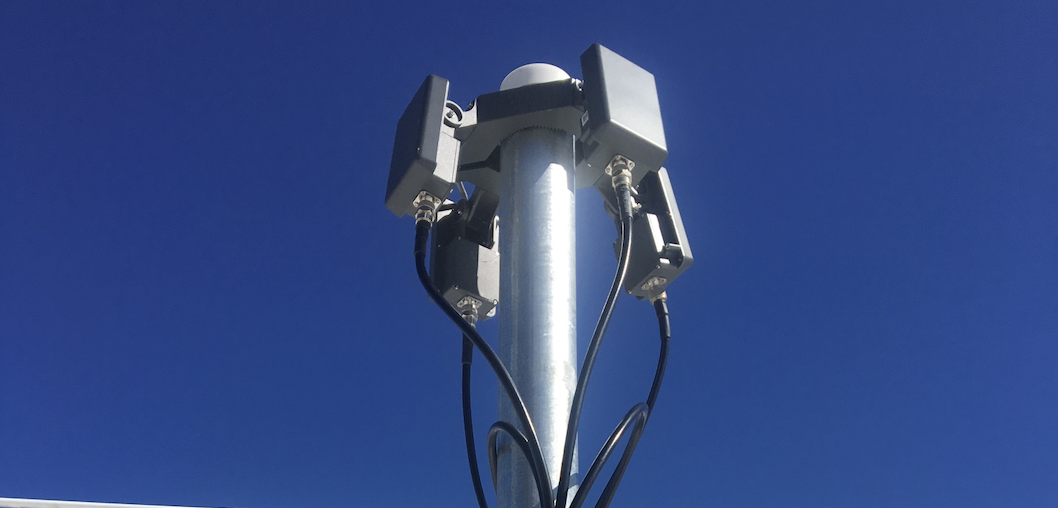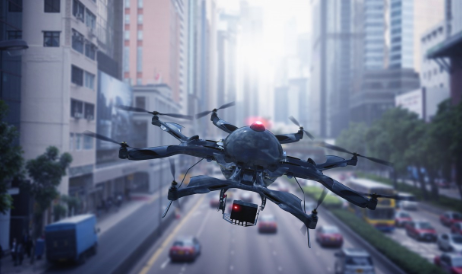
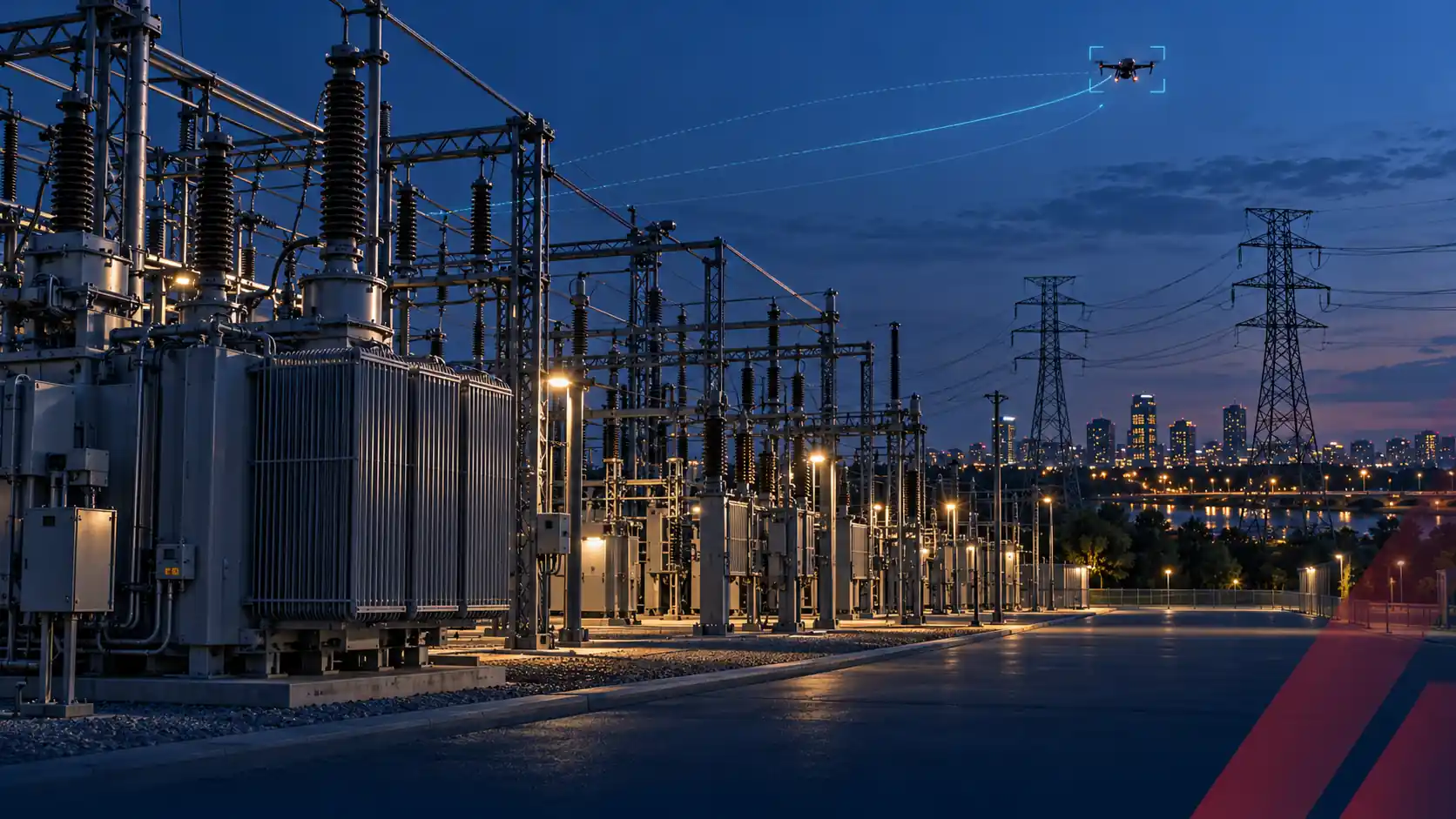
Critical infrastructure drone detection gives the operators of power stations, substations, water systems, refineries, data centers, and transportation hubs a live view of the drones over and around their sites: where each one is flying, how long it stays, and, for drones that broadcast Remote ID, where the operator is. That awareness lets security teams tell a passing hobbyist from repeated reconnaissance, bring law enforcement in with a location, and build a documented record that protects the site over time.
At AirSight, we build drone detection for the facilities that keep power flowing, water clean, and data moving. This guide covers why infrastructure operators are paying attention, what detection gives them, and how to build a program that strengthens every year. For our overview, see our page on critical infrastructure drone detection.
Why Infrastructure Operators Are Paying Attention
Federal agencies have been clear that drones belong in infrastructure security planning. In 2021, a joint bulletin from the FBI, the Department of Homeland Security, and the National Counterterrorism Center described a July 2020 incident near a Pennsylvania electrical substation as the first known case of a modified drone likely being used in the United States to specifically target energy infrastructure, as CNN reported. The bulletin also said the agencies expected illicit drone activity over the energy sector and other critical infrastructure to increase as drone use expands.
A drone over an infrastructure site might be a hobbyist, a photographer, or something more concerning. The value of detection is knowing which is which, early, and having the facts to act on the ones that matter.
What Detection Gives an Infrastructure Operator
-
Awareness around the clock. Many infrastructure sites are large, spread out, or remote. Persistent detection watches the airspace at every hour, not only when someone happens to look up.
-
Patterns that reveal intent. A single pass over a substation means little. The same aircraft returning at the same hour, lingering over the same equipment, tells a very different story. Our guide to drone tracking covers how continuous tracks make those patterns visible.
-
A location for law enforcement. Under the FAA's Remote ID rules, most drones broadcast an identifier and their position, along with the control station location or, for add-on broadcast modules, the takeoff location. That gives responding officers a place to go. Radar adds coverage for drones that transmit nothing.
-
A record that holds up. Timestamped tracks, operator locations, and outcomes support police reports, internal risk reviews, and regulatory filings. Our guide to how a drone detection system works explains how the sensors, software, and records fit together.
Sector by Sector
-
Energy and utilities. Generation plants, transmission lines, and substations, many of them in open or remote locations, benefit from persistent coverage and a long-term record of activity.
-
Water and wastewater. Treatment plants and reservoirs protect public health, and detection adds an aerial layer to the physical security already in place.
-
Data centers. A single campus concentrates computing, cooling, and power equipment, which makes airspace awareness a natural part of physical security.
-
Refineries and chemical facilities. Large industrial footprints and sensitive processes make early warning and a precise operator location especially valuable.
-
Transportation hubs. Rail yards, ports, and airports keep goods and people moving, and detection helps operations continue safely when a drone appears.
Building the Record for an FAA Flight Restriction
Infrastructure operators may soon have a new tool. In May 2026, the FAA proposed a process that would let eligible facilities petition for drone flight restrictions over their sites, and as our guide to the FAA's new no-drone-zone rule explains, the underlying statute names categories including energy facilities, oil refineries, chemical plants, railroad facilities, amusement parks, and state prisons. The rule is proposed, not final. Our overview of the FAA's May 2026 drone rule covers what it would change.
Either way, the strongest position belongs to the facility that can describe its drone activity with specifics: which assets draw attention, how often, at what hours, and from where. That record comes from detection that has been running long enough to show a pattern.
Partners for the Response
Infrastructure operators see the drone; trained law enforcement partners handle the response. Since the Safer Skies Act passed in December 2025, state and local agencies that meet federal training requirements can receive counter-drone mitigation authority, and our drone mitigation guide explains how that works. Detection data shared with local police turns a site's awareness into a coordinated response; see our page on law enforcement drone detection. Our guide to drone monitoring covers the alert workflow that connects the two.
For publicly owned facilities, funding may also be available: FEMA's Counter-UAS Grant Program supports state, local, tribal, and territorial governments, and our FEMA grant guide covers who can apply and how.
Keeping the Lights On
Critical infrastructure runs every hour of every day, and its airspace deserves the same attention. Drone detection gives operators an early view of what is overhead, the facts to separate curiosity from concern, a location for the police who respond, and a record that strengthens the site's position every year.
Protecting a critical infrastructure site? Talk to our team about critical infrastructure drone detection.
Related reading: