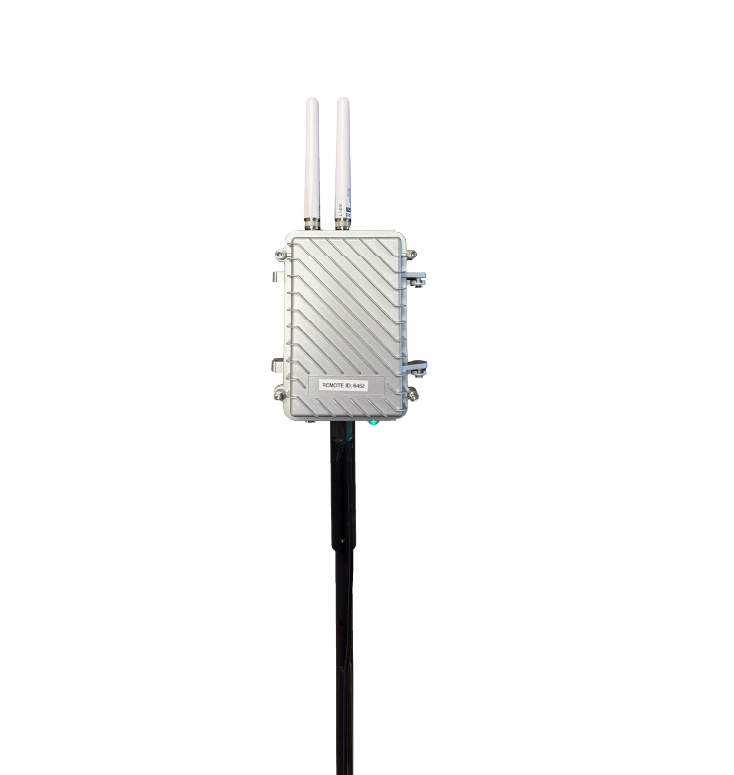
Remote ID Compliance
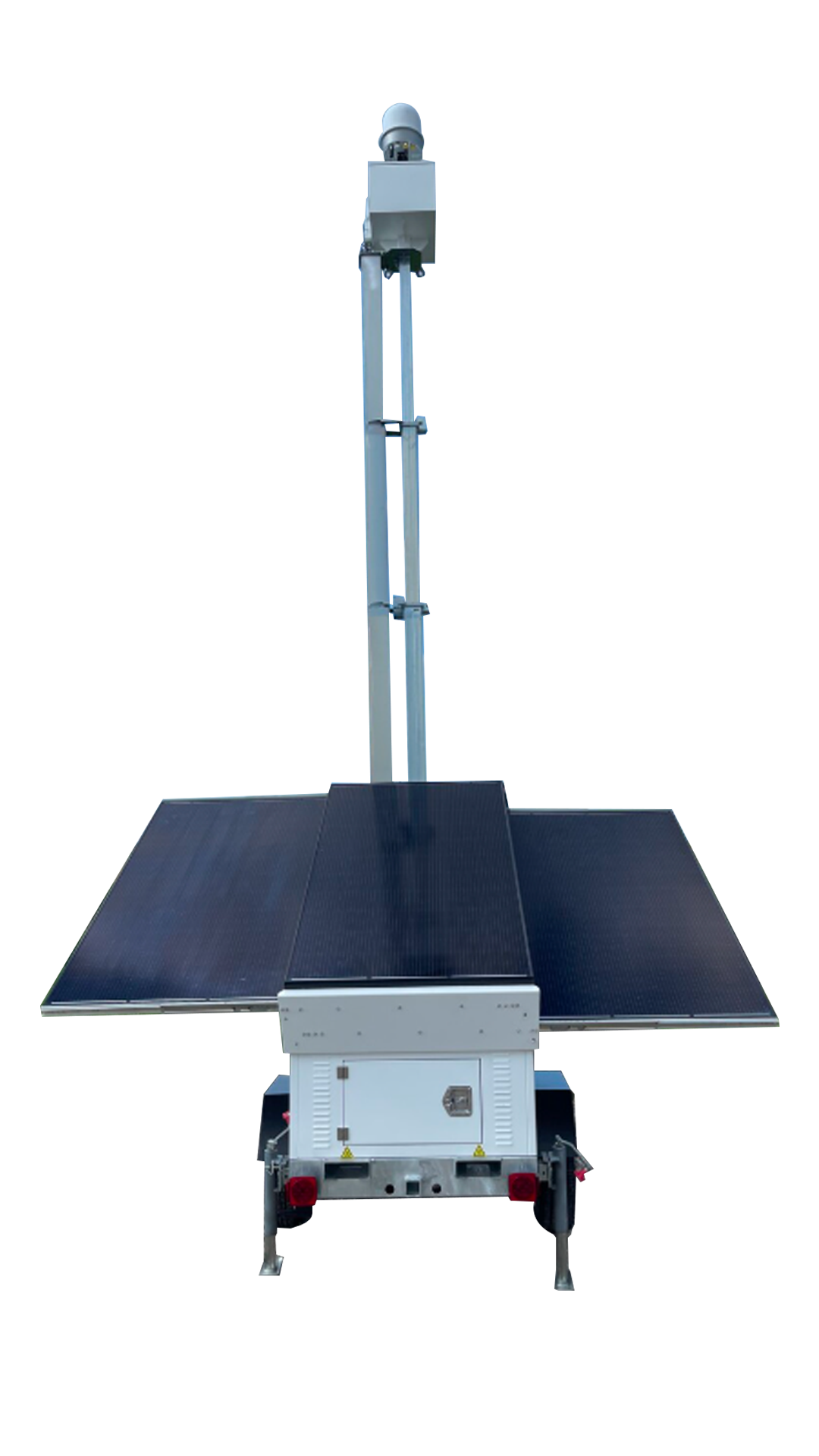
The foundational layer. Detects all new compliant drones and older models updated with FAA-required Remote ID firmware. Provides precise drone and pilot GPS location within a 2-to-5-mile range.

RF/DF Detection
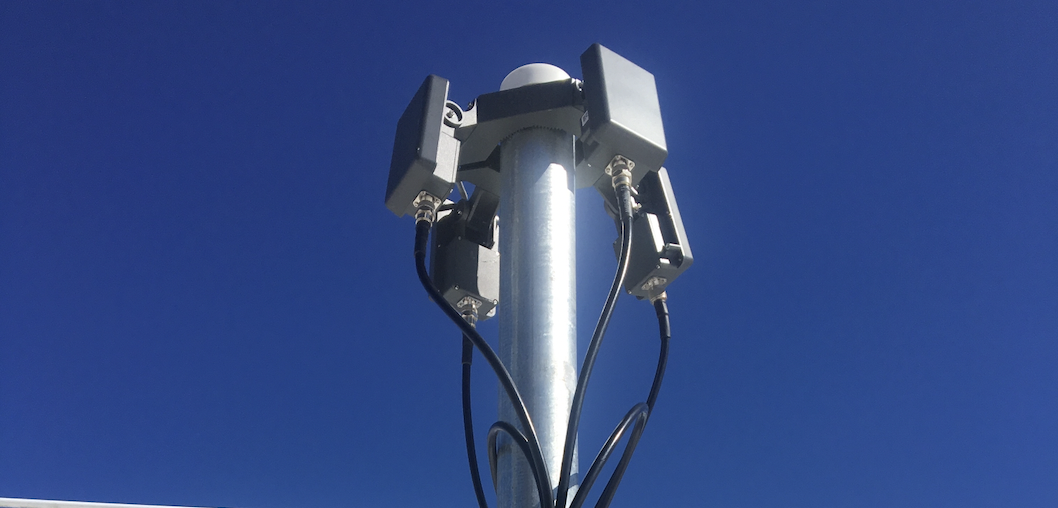
Detects non-compliant, "silent," and DIY drones. Our sensors identify specific RF protocols to pinpoint the drone and pilot location, expanding coverage up to 10km (6 miles).
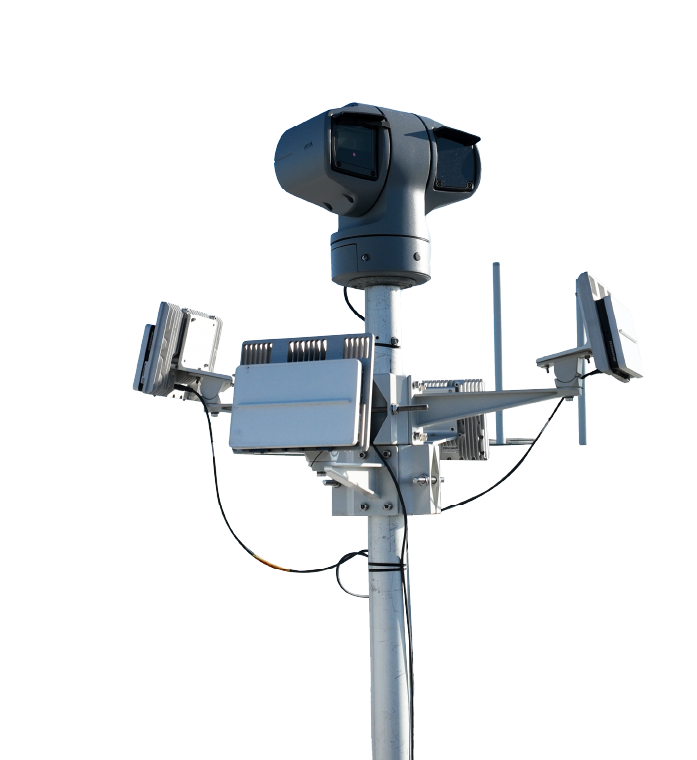
Radar with Visual Camera
The ultimate defense. Radar detects all flying objects, including non-RF "Dark Drones". Triggers visual verification backed by AI classification and 24/7 human monitoring.
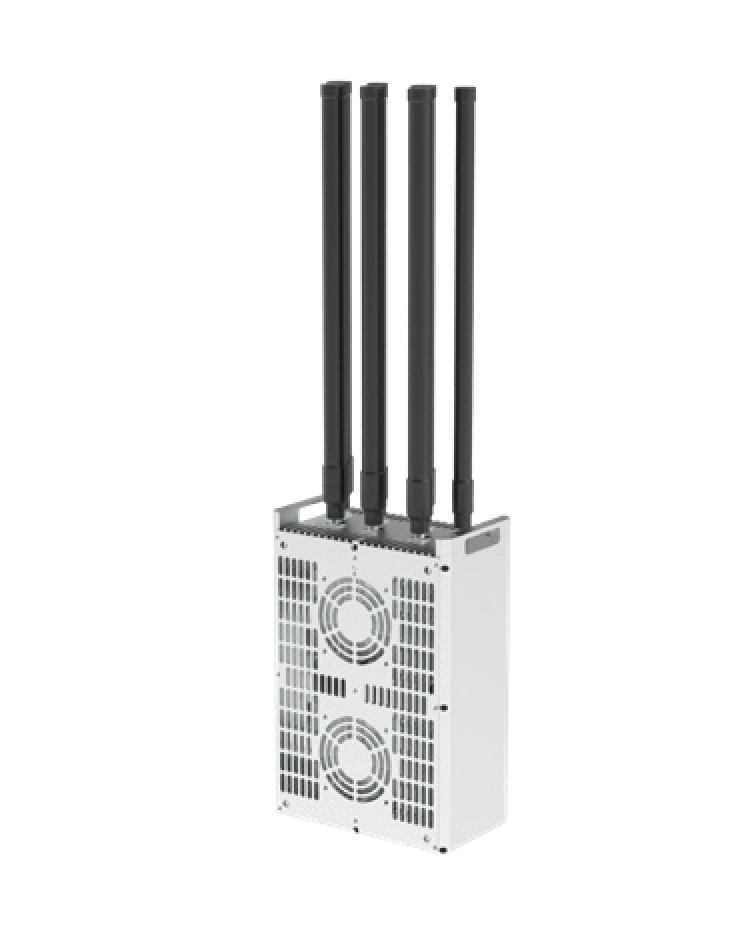
Smart & Autonomous Mitigation
Neutralize hostile threats with multi-band frequency jamming. Features full 360° airspace defense with a range of up to 1.9 miles, disrupting GNSS systems to force a land or return-to-home.
FCC & FAA Compliance Notice
IMPORTANT NOTICE REGARDING RF JAMMING DEVICES:
The marketing, sale, possession, and use of radio frequency (RF) jamming equipment is strictly regulated under United States federal law. Pursuant to the Communications Act of 1934, as amended (47 U.S.C. § 301, 302a, 333), the operation, marketing, or use of devices designed to block, jam, or interfere with authorized radio communications is prohibited except by certain authorized federal government entities.
The Federal Communications Commission (FCC) prohibits the operation, marketing, or sale of jamming equipment to the general public. Additionally, the Federal Aviation Administration (FAA) strictly regulates interference with aircraft communications, navigation, and unmanned aircraft systems (UAS). Unauthorized interference with aircraft or drone communications may violate federal law and subject violators to significant civil and criminal penalties.
Products described on this website are available only to qualified U.S. federal government agencies or other entities expressly authorized by federal law. These products are not available for purchase by state or local agencies, private entities, or individual consumers unless expressly permitted by applicable federal law.
By inquiring about or purchasing any such product, you represent and warrant that you are legally authorized to purchase and possess such equipment under applicable federal law.