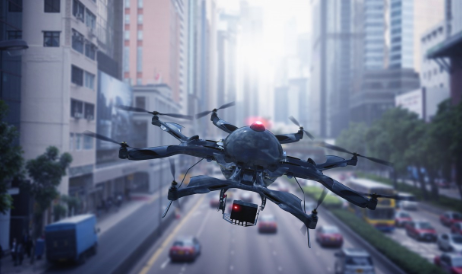
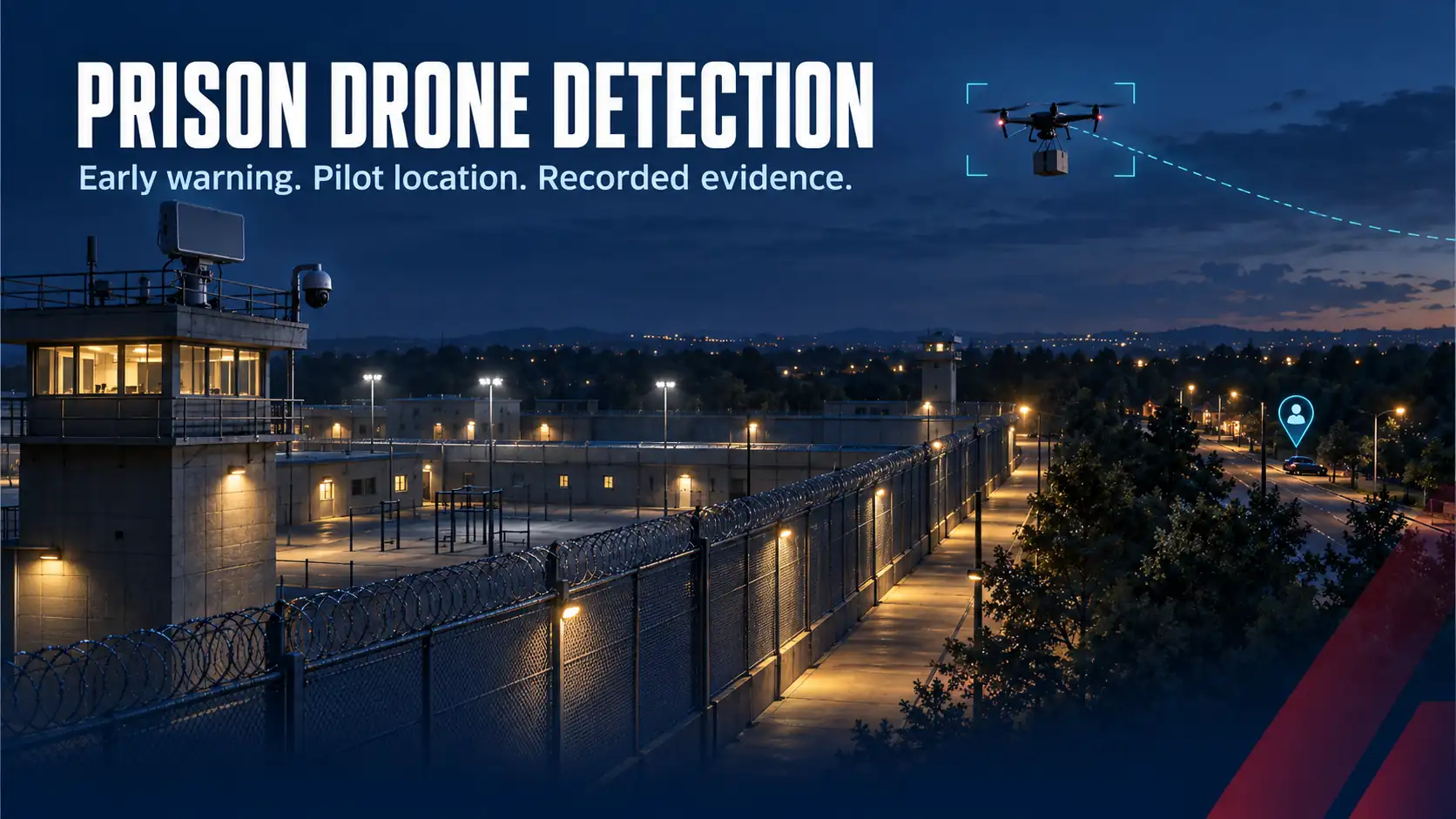
Drone detection for prisons gives correctional staff a live view of drones approaching a facility: where each one is, where it is heading, and, for most consumer drones, where the pilot is standing. With that picture, officers can respond to a drop as it happens, send law enforcement to the operator, and learn the patterns behind repeat deliveries. At AirSight, we build drone detection for correctional facilities, and our radar and camera systems have been featured in correctional industry coverage of how facilities fight contraband drones.
The Contraband Drone Challenge
Drones in prisons are a fast-growing security problem. Department of Justice and FBI officials have testified that drone incidents at federal prisons rose from 23 in 2018 to 479 in 2024, as Facilities Dive has reported. State systems face the same pressure. South Carolina recorded 250 drone drops in 2024, and its corrections director, Joel Anderson, has said today's drones can fly longer, faster, and carry up to 35 pounds of contraband, according to WIS, which described the work as a nightly battle for correctional officers. Prison drones deliver drugs, phones, and other contraband that put staff and inmates at risk.
How Prison Drone Detection Works
The most effective prison drone detection uses layers, an approach AirSight demonstrated with partners Bosch and Echodyne in a session on practical drone defense for corrections:
-
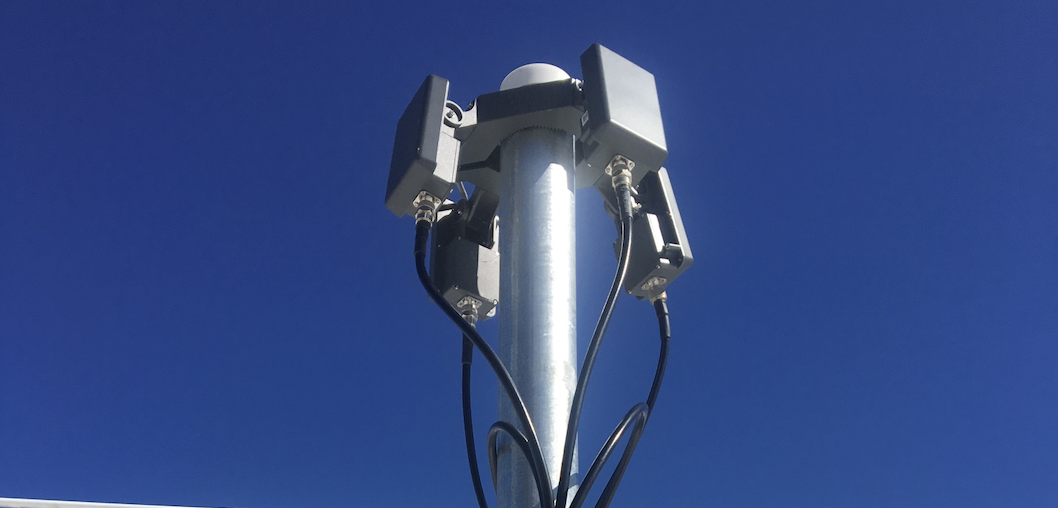
Detect early. Radar finds drones by their physical presence, including "dark drones" that emit no standard radio signal, and provides precise 3D coordinates. RF and Remote ID sensors identify most consumer drones and locate the pilot.
-
Verify. Cameras slew to the radar's coordinates for optical and thermal verification, telling birds from drones and capturing evidence for prosecution.
-
Locate the pilot. AirGuard shows the live GPS locations of the drone and its pilot on one dashboard.
-
Alert and respond. Staff receive alerts in real time, officers secure the yard or housing unit, and law enforcement heads to the pilot.
-
Learn the pattern. Flight History and Playback and AirGuard's analytics reveal the nights, hours, approach paths, and launch areas behind repeat drops.
Detection That Works in Corrections
-
Featured by Correctional News: a Correctional News feature examined how the corrections industry uses AirSight's radar and PTZ camera systems to detect contraband drops and monitor secure perimeters.
-
Covered by Facilities Dive: its reporting on prisons battling nightly drone drops features AirSight's detection technology.
-
Results across state systems: South Carolina adopted radar technology that detects drones and traces their paths, so its drone team can work with local law enforcement to find pilots near the takeoff location, as Fox News has reported.
New Authority for Correctional Agencies
2026 brought new tools for corrections. The federal rule implementing the Safer Skies Act, in effect since July 1, 2026, covers state, local, tribal, and territorial correctional agencies alongside law enforcement, with certification for detection and warning operations and a separate level for mitigation. Our SAFER SKIES Act explainer covers how agencies qualify. Prisons may also gain a path to drone flight restrictions: as our guide to the FAA's new no-drone-zone rule explains, the statute behind the FAA's proposed petition process names state prisons among eligible categories.
Building a Prison Drone Program
-
Map the facility. Identify the yards, housing units, perimeters, and approach paths where drops happen or could happen.
-
Layer the sensors. AirGuard's hardware tiers build from Remote ID and RF to radar with a visual camera, so dark drones are covered too.
-
Write the policy. Set clear procedures for alerts, yard response, and evidence. AirSight offers a prison drone policy template to get you started.
-
Partner with law enforcement. Agree in advance on who responds to the pilot's location and how evidence is shared.
-
Fund it. Public agencies can apply through the FEMA Counter-UAS Grant Program, whose next round opens to every state and territory.
Why Correctional Facilities Choose AirSight
-
Coverage for dark drones. Radar with a visual camera, backed by AI classification and, in the Complete tier, 24/7 human monitoring.
-
Fewer false alarms. AirGuard's AI aircraft type classification and AirSight's advanced radar filtering keep attention on drones, not birds.
-
The pilot's location. Officers and law enforcement get a destination, not just a warning.
-
Trusted partners. AirSight works alongside Bosch and Echodyne to bring radar, cameras, and software together for corrections.
-
Support that stays. In-depth training on AirGuard, its sensors, and its integrations, plus 24/7 support.
See prison drone detection with AirSight and our case studies.
Prison Drone Detection FAQ
Can prison drone detection work at night?
Yes. Radar detects drones by their physical presence regardless of lighting, and thermal cameras verify what the radar sees in darkness, which matters because many contraband drops happen at night.
Does drone detection find the pilot?
For drones that broadcast Remote ID or use detectable radio links, AirGuard shows the pilot's live GPS location. For dark drones, radar traces the flight path back toward the launch area, the same approach South Carolina's drone team uses to find pilots near the takeoff location.
Can detection data support prosecution?
Yes. Camera verification captures evidence of the drone and its payload, and Flight History and Playback preserves every track, giving investigators and prosecutors a complete record.
Stop the Drop Before It Lands
Contraband drones are organized, repeatable, and persistent, and so is the best defense against them. Drone detection for prisons gives correctional teams the earliest warning, the pilot's location, and a growing record of every attempt, so each night of activity makes the facility harder to reach.
Protecting a correctional facility? Book a demo and see how AirGuard secures the airspace over your yards and perimeter.