A drone detection system is a combination of sensors and software that finds drones in the airspace around a site, identifies them, tracks where they fly, and, for many drones, shows where the pilot is standing. It gives security teams early warning, a live picture of the drones nearby, and a record of every incident, so they can respond with facts instead of guesswork.
The need is growing quickly. The FAA's public records list 568 reports of drones near airports from July through September 2026 alone, and drones now appear regularly over stadiums, prisons, campuses, and critical sites. This guide explains what a drone detection system does, what it includes, who uses one, and how to get started. At AirSight, we build AirGuard, the drone detection and pilot tracking platform trusted by stadiums, campuses, and police departments.
What a Drone Detection System Does
A strong drone detection system follows a drone from the first signal to the final resolution. AirGuard does it in four steps:
-
Detect and identify. The system spots the drone, pinpoints its location, and sends alerts to the right people.
-
Classify the risk. It identifies the drone's make and model, its payload capacity, and how long it would take to reach a critical location.
-
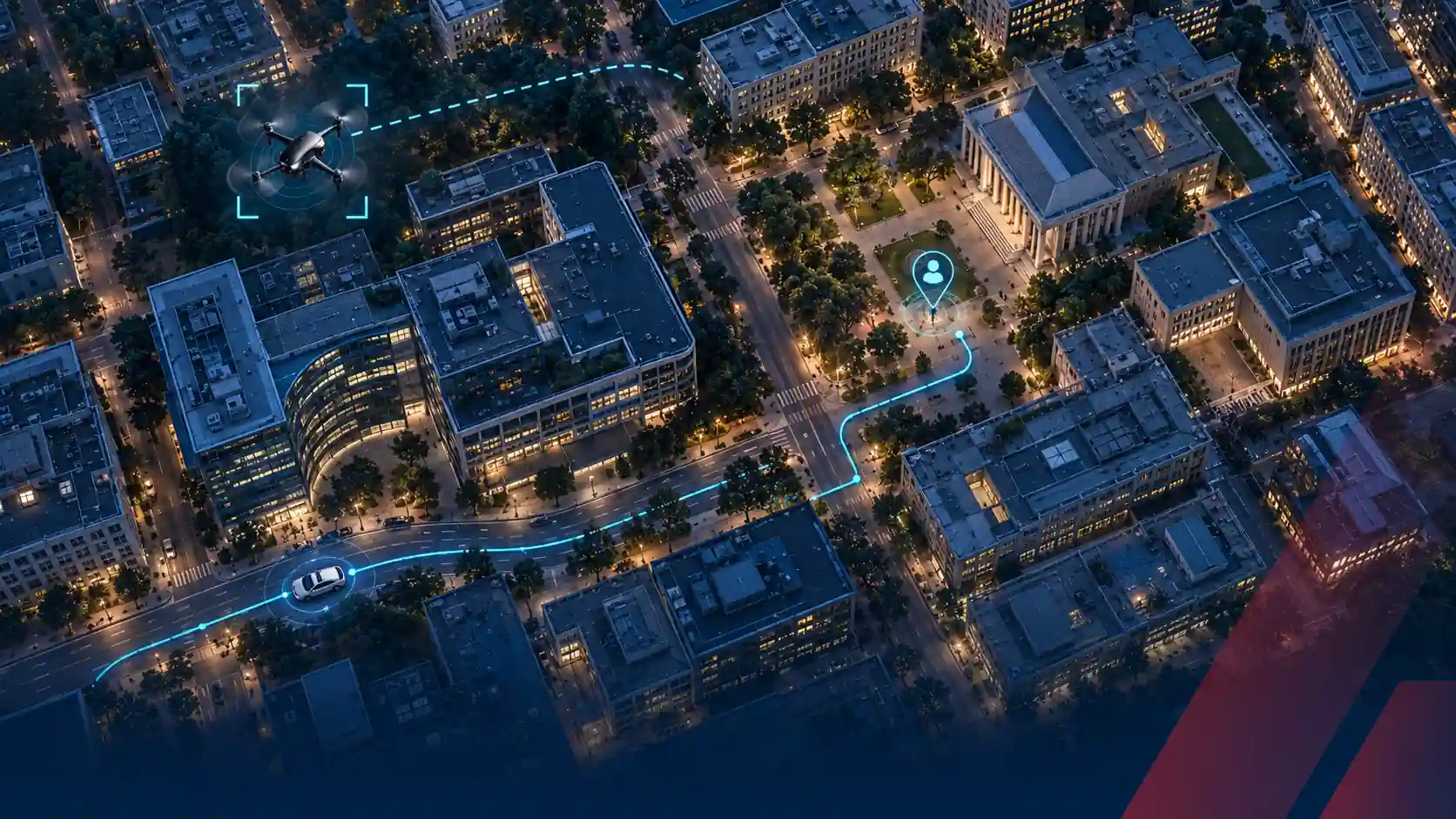
Track the pilot. The live GPS locations of the drone and its pilot appear together on one dashboard, so your team knows exactly where to go.
-
Respond and resolve. Your team secures the area and follows its procedures, and the full flight history is saved for review.
What a Drone Detection System Includes
-
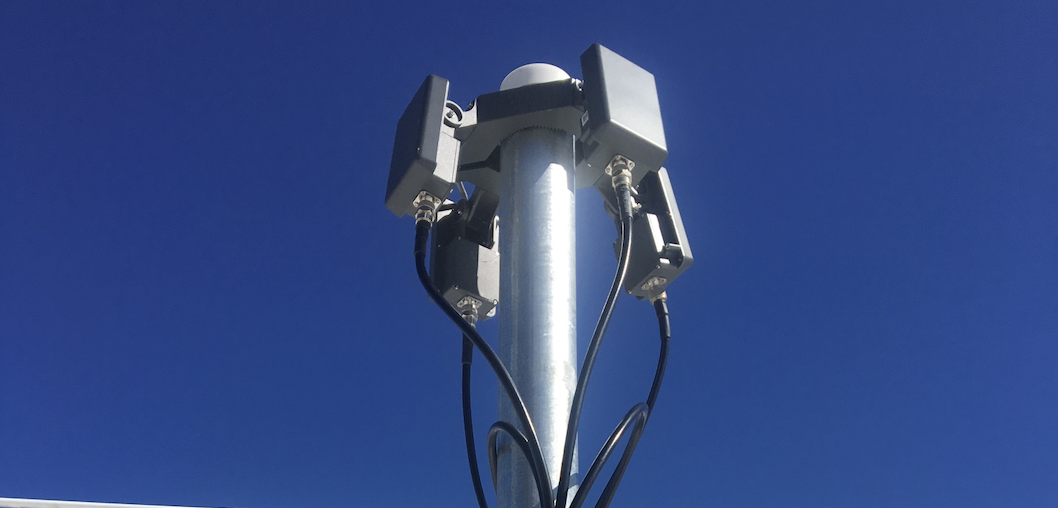
Sensors. Remote ID receivers read the broadcasts most drones are required to send under the FAA's Remote ID rules, including an identifier and the control station or takeoff location. RF sensors detect drones by their radio signals and can pinpoint the pilot. Radar finds drones by their physical presence, including drones that transmit nothing, and cameras confirm what the system sees. AirGuard's hardware tiers combine these layers to fit each site.
-
A software platform. The platform fuses every sensor into one screen, with a live map, multi-level alerts, and geofencing across one site or many. AirGuard's AI aircraft type classification helps separate drones from birds, so operators focus on real threats.
-
Records and analytics. Flight History and Playback preserves every incident, and analytics help teams refine their procedures over time.
-
Integrations. The best systems connect to the tools a team already uses. AirGuard integrates with video management and command-and-control platforms, offers an optional ADS-B integration that shows manned aircraft alongside drones, and connects detection to response through AirSight x Skydio.
For a closer look at the mechanics, see our guide to how a drone detection system works.
Who Uses Drone Detection Systems
Any organization responsible for people, property, or operations on the ground has a reason to watch the airspace above it:
-
Airports use a live track to keep flights moving safely when a drone is reported.
-
Stadiums and spectator sports and live events find operators quickly and keep the game or the show going.
-
Correctional facilities spot contraband deliveries and learn the patterns behind them.
-
Law enforcement agencies turn drone calls into operator locations and evidence.
-
Critical infrastructure operators watch their sites around the clock and build a lasting record.
-
Corporations and universities protect campuses, people, and sensitive work.
AirSight's customers show what that looks like in practice. AirSight supported Camping World Stadium during three major sporting events, including the NFL Pro Bowl (case study). The City of Chula Vista chose AirGuard to provide third-party tracking for all of its police department's drone flights (case study). And the University of Kentucky is building a safer campus with AirSight's drone detection (case study).
How to Get Started With a Drone Detection System
-
See your airspace first. AirSight helps organizations learn what is in their airspace before they commit to a permanent system, so every decision starts with real data.
-
Choose the right sensor mix. Coverage builds from Remote ID to RF to radar with a visual camera, and AirSight designs a tailored bundle for each site, from a lightweight mobile setup to a permanent multi-layered grid.
-
Plan the response. Clear procedures, trained operators, and the right partners turn alerts into action. AirSight provides in-depth training on AirGuard and its integrations, plus 24/7 support.
-
Explore funding. Public agencies can fund detection through the FEMA Counter-UAS Grant Program, whose next round opens to every state and territory.
Why Security Teams Choose AirSight
-
Open by design. AirSight is hardware-agnostic, so data from a $500 sensor or a military-grade radar becomes one coherent airspace picture in AirGuard.
-
Built around the pilot. AirGuard puts the live locations of the drone and its pilot side by side, so responses start with a destination.
-
Field-tested hardware. Every sensor is tested in the field by AirSight's engineering team before it reaches a client.
-
From detection to response. With AirSight x Skydio, operators can launch an autonomous drone that reaches the scene fast and streams live intelligence to officers.
-
Recognized and proven. AirSight was named a winner of the D CEO Innovation Awards 2025, and its work is documented in our case studies.
See Your Airspace Clearly
A drone detection system turns an invisible risk into something your team can see, understand, and act on. With AirGuard, that picture includes the drone, the pilot, the flight history, and a clear path to response, built from the sensors that fit your site.
Ready to see what is flying over your site? Book a demo with our team.
Related reading: