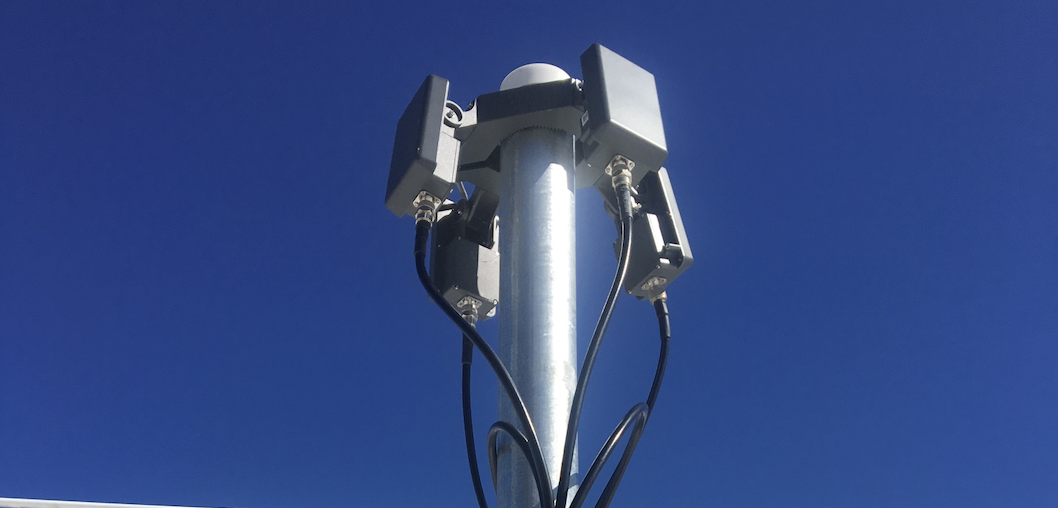
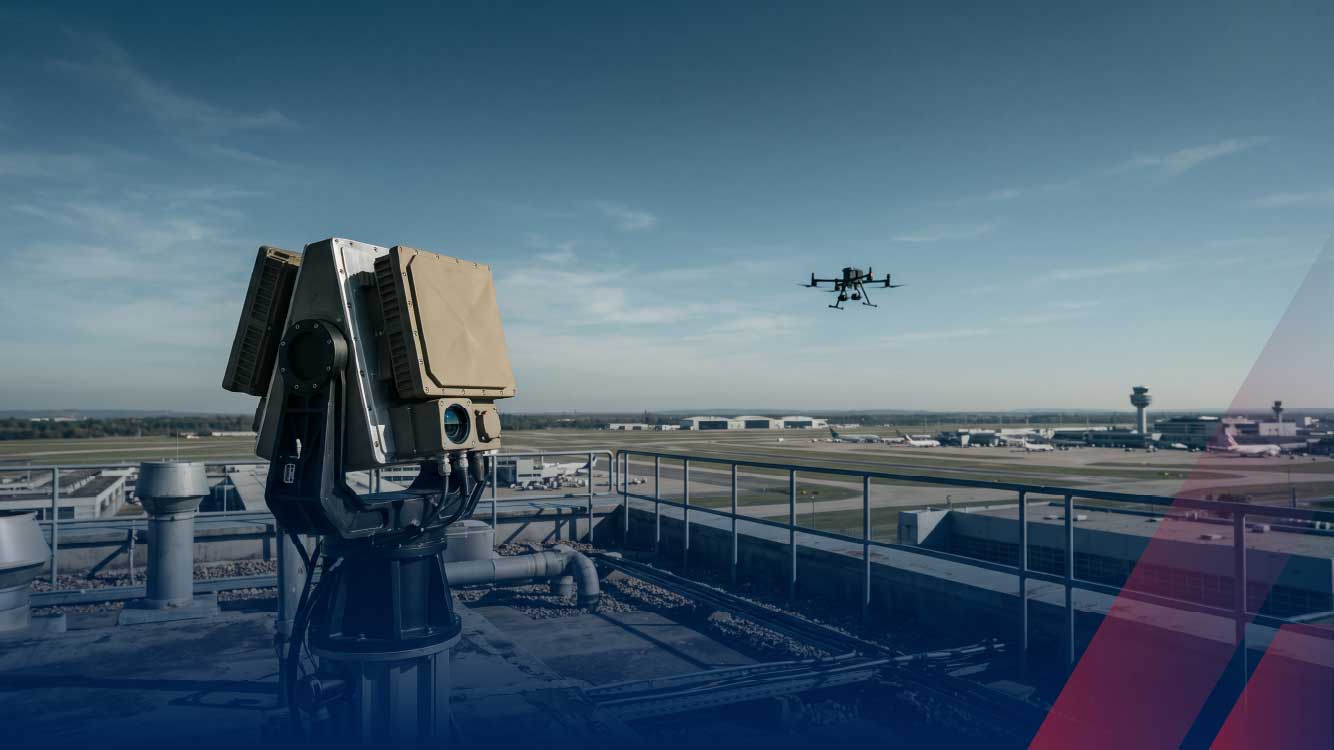
On November 19, 2026, the FCC is scheduled to vote on rules that would allow ground-based radar to use the 24.45-24.65 GHz band to detect and track unauthorized or dangerous drones near places such as airports, prisons, stadiums, critical infrastructure, and borders. The FCC describes the change as regulatory certainty for counter-UAS technologies in the 24 GHz band. For security teams, it means radar, the sensor that finds drones whether or not they transmit, would gain a permanent place in the nation's spectrum rules.
The band matters to AirSight directly: the radar in AirGuard's Complete tier operates at 24.45-24.65 GHz, where it works alongside Remote ID, RF, direction finding, and cameras in one airspace picture. Here is what the FCC is proposing and what it means for the sites that need drone detection most.
What the FCC Will Vote On
FCC Chairman Brendan Carr announced the vote on October 28. Two orders would act in four areas: opening the 450 MHz band to safety-related data links for crewed and uncrewed aircraft under a nationwide licensing system, allowing ground-based drone detection radar at 24.45-24.65 GHz, updating the 800 MHz air-ground band for in-flight broadband, and expanding low-Earth-orbit satellite connectivity for moving platforms, including drones, across the 28.35-28.6 GHz band. The vote follows the FCC's October 29 action to open 800 MHz cellular spectrum to drones, as DroneLife has reported.
The 24 GHz Change in Plain Terms
Today the 24.45-24.65 GHz band is allocated to radionavigation and inter-satellite services, and radiolocation, which includes ground-based drone detection, is not authorized there. Ground-based radar in the band has operated under limited, site-specific FCC waivers with five-year terms while the rulemaking was pending. According to the FCC's fact sheet and draft order, the new rules would:
-
Open the band to detection radar. Federal and non-federal ground-based radiolocation, including drone detection, would be permitted on a secondary basis.
-
Keep radars on the ground. Radiolocation stations in the band would be limited to ground-based stations.
-
Use familiar licensing. The band would be added to the frequencies available under the FCC's part 90 rules for licensing to the radiolocation service.
-
Ease the transition. The limited waivers would end when the rules take effect, and the FCC indicated it would not require existing waiver-based radars to go through full re-testing and re-certification just to add a part 90 authorization.
-
Protect priority users. Radar systems would need to avoid harmful interference to the services that have priority in the band.
The draft also makes a useful distinction: spectrum authorization concerns access to the airwaves, and it does not change any separate legal authority that may be required to detect, track, identify, mitigate, or disable drones. The change is about giving detection radar a clear, permanent home.
The effort has been years in the making. Echodyne, which joined AirSight and Bosch in a session on drone defense for corrections, petitioned the FCC in 2018 to allow radiolocation in the band. In the record, the Edison Electric Institute highlighted the need for commercially available, high-performance, cost-effective radar for drone detection at critical infrastructure sites.
The draft order was circulated for tentative consideration and remains subject to change until the FCC votes.
Why Radar Matters More as Drones Gain New Links
The same FCC agenda gives drones more ways to communicate: data links at 450 MHz, cellular connectivity at 800 MHz, and satellite links at 28 GHz. That growth is good for drone operations, and it is exactly why radar belongs in every serious detection plan. Radar senses a drone by its physical presence, regardless of which link it uses or whether it transmits at all. Paired with Remote ID and RF sensors, which identify most consumer and commercial drones and locate the pilot, radar completes the picture. Our drone detection radar guide explains how it works.
What It Means for the Sites That Need Detection Most
-
Airports: continuous radar tracks of drones near approach and departure paths, so operations can make confident hold-or-continue decisions.
-
Correctional facilities: coverage for drones that emit no standard radio signal, which is critical for contraband drops at night.
-
Stadiums and events: radar coverage across the full event footprint during the hours that matter most.
-
Critical infrastructure: the cost-effective, high-performance radar coverage that the electric utility industry's trade association told the FCC it needs.
How AirSight Brings Radar Into One Complete Picture
-
Radar in the 24 GHz band. The radar in AirGuard's Complete tier operates at 24.45-24.65 GHz and detects drones larger than six inches, tracking many targets at once.
-
Five sensor types, one screen. The Complete tier fuses Remote ID, RF, direction finding, radar, and cameras in AirGuard, with the live GPS locations of the drone and, when available, its pilot.
-
Verification built in. Cameras confirm what the radar sees, an approach AirSight demonstrated with Bosch and Echodyne for corrections, and AirSight's advanced radar filtering keeps attention on drones, not birds.
-
Fixed or mobile. Sensors deploy on permanent sites or on AirSight's solar-powered security trailer, which carries detection sensors on an 18-foot mast with no permanent installation.
-
An open platform. AirSight's hardware-agnostic approach lets each site use the sensors that fit it best.
For agencies, timing matters too: applications for FEMA's $250 million FY 2027 Counter-UAS Grant Program are due November 16, and the program funds detection capabilities for state and local agencies. For questions about response authority, see our drone mitigation guide.
Radar's Moment Has Arrived
If the FCC adopts these rules on November 19, drone detection radar moves from case-by-case waivers to a permanent framework in the 24 GHz band. That is good news for every airport, prison, stadium, and critical site that needs to see the drones that do not announce themselves. AirSight's Complete tier already includes radar in that band, fused with every other sensor a site needs, in one platform.
Planning radar coverage for your site? Book a demo with our team.