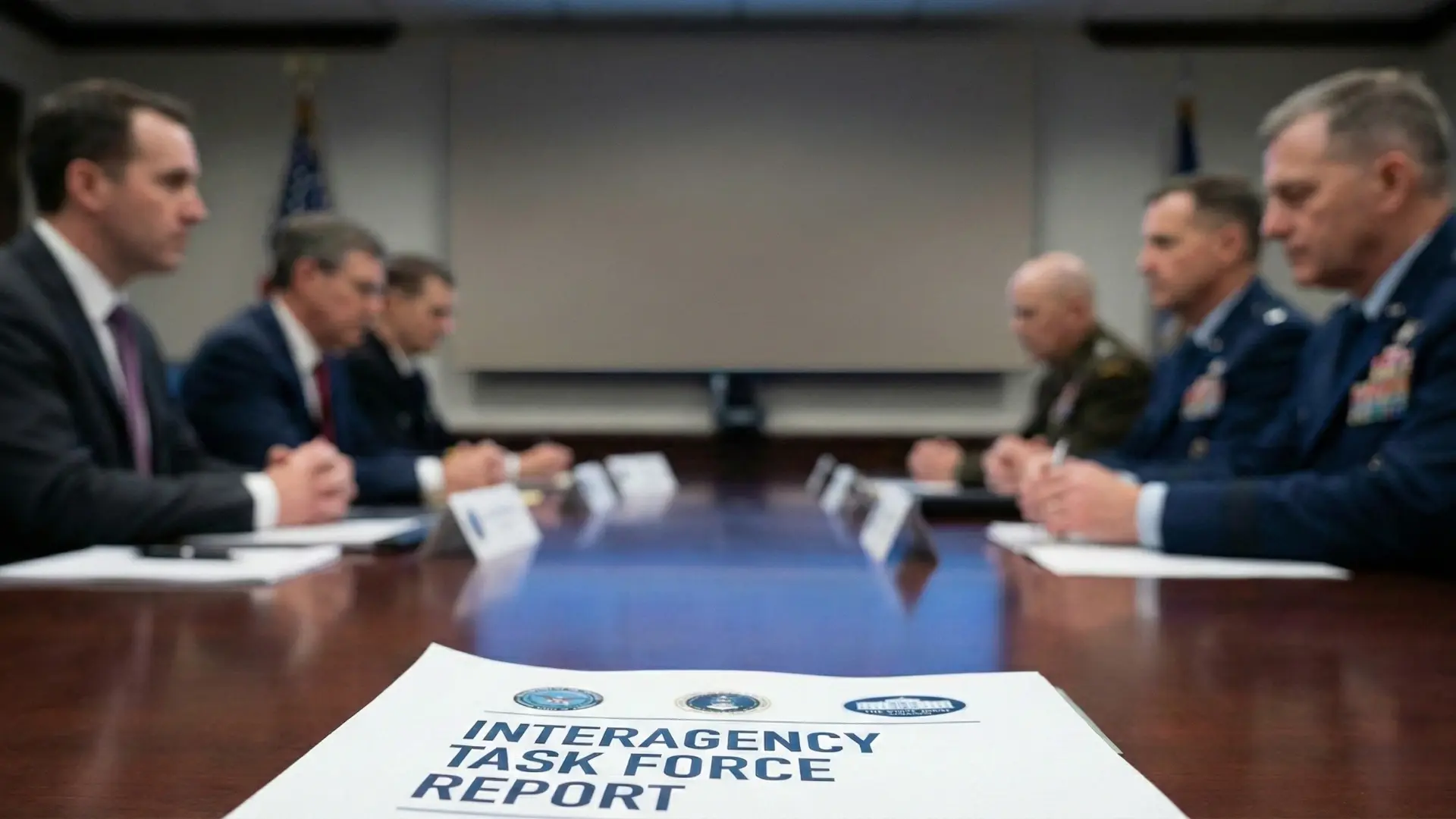
In a significant signal to the defense and security industries, the Secretary of the Army and the Joint Interagency Task Force 401 (JIATF-401) recently convened a high-level interagency meeting at the White House.
The gathering brought together senior leaders from across the federal enterprise, spanning military, law enforcement, intelligence, and industry partners. The objective was clear: to move beyond isolated pilot programs and strengthen cooperation across the entire U.S. government to counter the escalating threat of small uncrewed aircraft systems (sUAS).
Key Leadership & Vision: "A Homeland Defense Imperative"
The meeting highlighted a shift in mindset: drone defense is no longer just about protecting forward-deployed troops; it is a domestic necessity.
Secretary of the Army Dan Driscoll delivered a stark assessment of the acquisition gap, noting that adversaries are moving faster than traditional procurement cycles. "Adversaries are exploiting inexpensive and adaptable drone technology faster than our current acquisition system can handle," Driscoll stated. He emphasized that countering this threat "requires every element of the U.S. government working together with shared purpose and unity of effort".
This sentiment was reinforced by Brig. Gen. Matt Ross, Director of JIATF-401. He framed the issue not as a tactical nuisance, but as a strategic vulnerability. "Countering drones is not just a battlefield problem — it’s a homeland defense imperative," Ross said.
His vision for the future of drone defense relies on connectivity rather than isolation: "Our goal is to integrate sensors, effectors and mission command systems into a responsive, interoperable network that protects servicemembers and American citizens alike".
The Strategic Role of JIATF-401
For industry stakeholders observing these shifts, JIATF-401 is the entity to watch. Designated as the Department of War’s lead organization for countering small UAS, the task force operates at the critical nexus of the Office of the Secretary of War (OSW), the Joint Staff, Combatant Commands, and the Services.
JIATF-401 is driving a three-pronged mission:
- Defending the Homeland: Protecting critical infrastructure and domestic populations.
- Supporting Warfighter Lethality: Ensuring troops have valid C-UAS cover.
- Joint Force Training: Standardizing tactics across branches.
Future Initiatives: The Counter-UAS Marketplace
The White House meeting concluded with commitments to specific, high-impact initiatives that aim to break down bureaucratic silos. JIATF-401 is spearheading the development of a "Counter-UAS marketplace", designed to facilitate capability sharing across agencies.
Furthermore, the task force is building an authoritative data set for testing and evaluation, ensuring that systems are measured against a unified standard rather than disparate metrics. These efforts directly support the National Security Council’s initiatives under the newly formed "Task Force to Restore American Airspace Sovereignty".
Conclusion: The End of Siloed Security
The message from Washington is unambiguous: single-agency solutions are insufficient for the scale of the drone threat. As Brig. Gen. Ross noted, "no single agency can solve it alone".
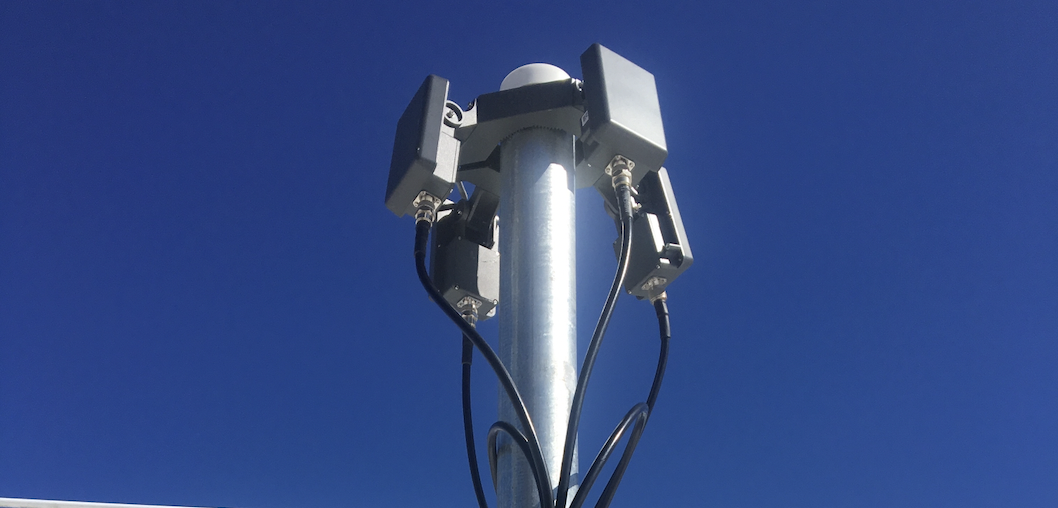
Effective drone defense now requires integrated networks of sensors and effectors that can talk to one another—seamlessly bridging the gap between detection and mitigation. At AirSight, we have long championed this interoperable approach. As the government pivots to this "whole-of-government" strategy, ensuring your organization is equipped with scalable, network-ready airspace security is more critical than ever.