The conversation around Unmanned Aircraft Systems (UAS) is shifting. For years, the focus for critical infrastructure and correctional facilities was "interception"—stopping a drone once it was already a threat. However, as highlighted in recent discussions by Homeland Security Today, national policy must move toward integration over interception to be truly effective.
At AirSight, we believe that understanding the threat profile is the first step toward this integrated defense. It isn’t just about seeing a drone; it’s about understanding the "why" and "how" behind the flight to stay one step ahead of bad actors.
Understanding the Threat: Contraband Drones 101
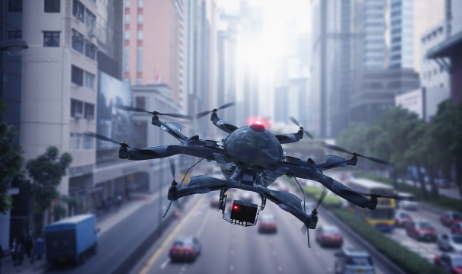
As Chip Dick, our VP of Strategic Initiatives, explains in our latest Drone Detection 101 breakdown, drone-based smuggling has moved from theory to a daily physical reality for security perimeters. Smugglers are no longer just hobbyists; they are utilizing specific hardware to bypass traditional ground security.
Common Contraband Carriers: Smugglers select drones based on their specific mission needs. While many use common consumer models found in any electronics store, we are seeing a rise in:
- Hobbyist Models: Low-cost, easily replaceable drones for "one-way" delivery missions.
- Professional Grade: Larger platforms capable of carrying significant payloads, such as narcotics, weapons, or bulk cell phones.
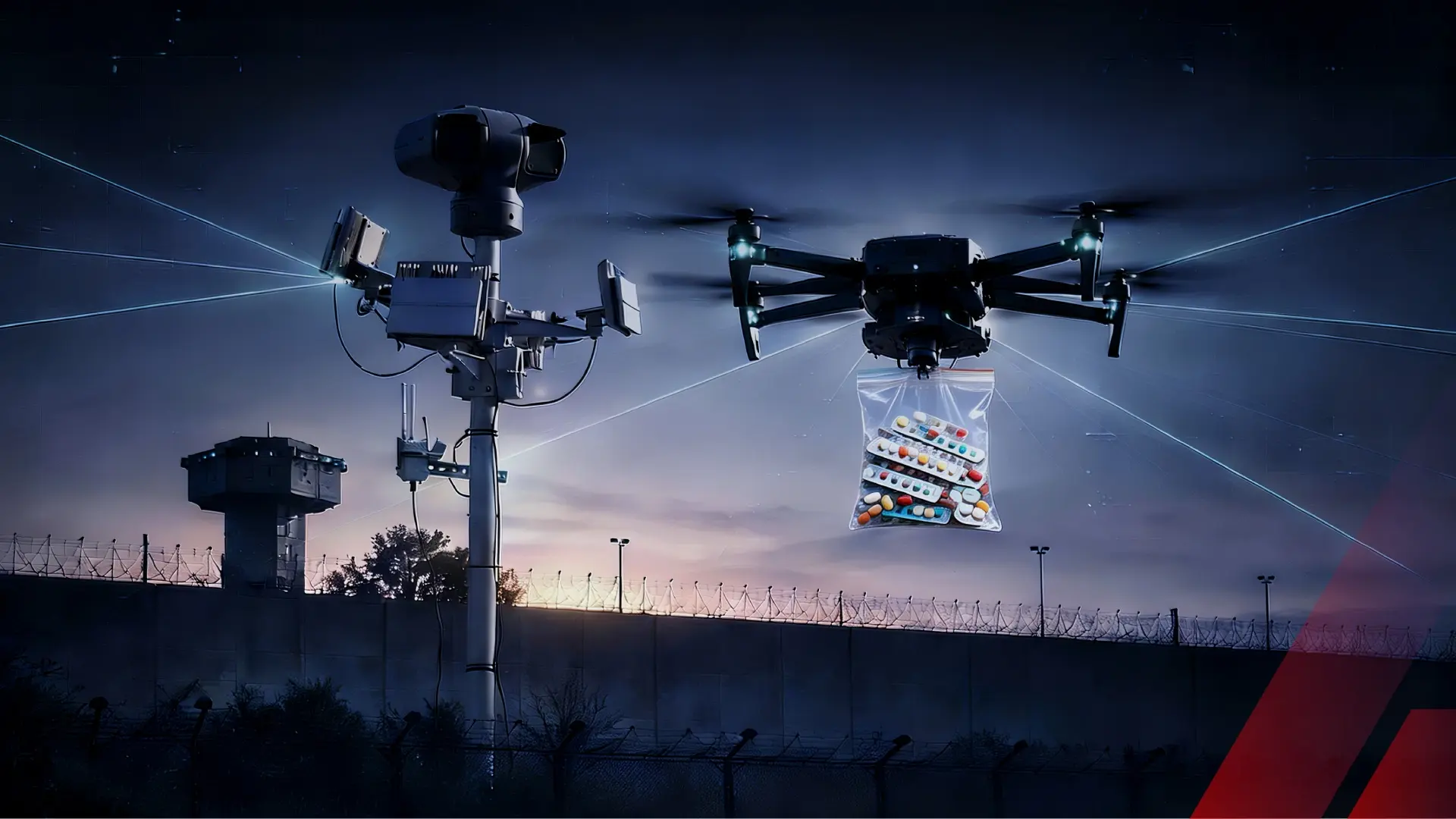
The Mechanics of a Drop: Smugglers have become incredibly sophisticated with their hardware modifications. By adding release hooks and custom drop mechanisms, they can deliver "payables" with surgical precision to specific prison yards or drop zones. These drones are often modified to fly lower than traditional radar can detect, making a multi-layered detection approach essential.
Integration: The Missing Link in Airspace Policy
The HSToday perspective emphasizes that integration—connecting detection data with existing security workflows—is the only way to scale homeland defense. Detection is only as good as the response it triggers.
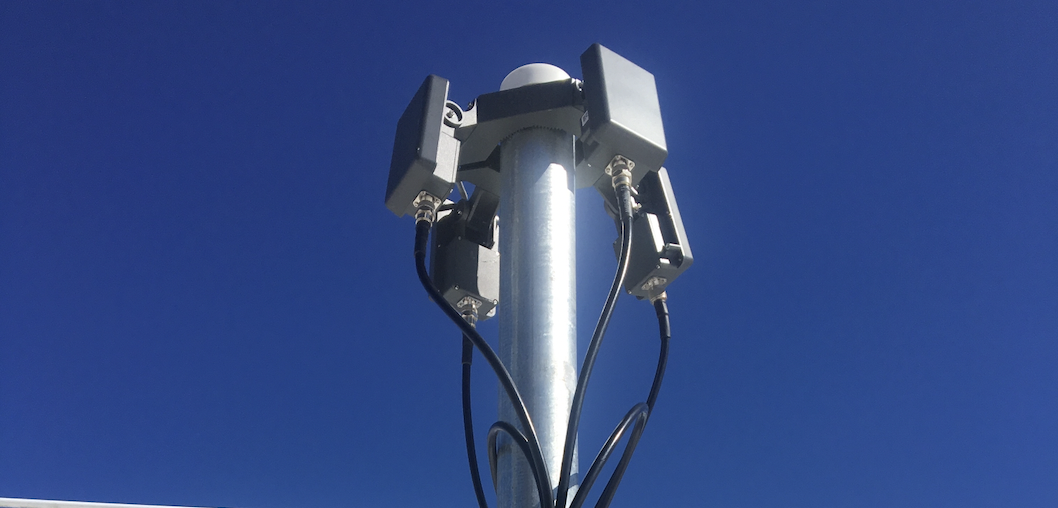
This is exactly why the AirGuard Unified Software Ecosystem was built. We don't just alert you that a drone is there; we integrate that data into your existing security stack:
- VMS & PTZ Tracking: Your cameras can automatically slew to the drone’s location for visual confirmation.
- LPR (License Plate Recognition): By tracking the pilot's location simultaneously, we can identify the vehicle used in a take-off "hot spot."
- National Data Network: Accessing data from our nationwide network of sensors allows you to see patterns before they become a localized incident.
From Reactive to Proactive
Securing your airspace requires a proactive posture. Whether it’s protecting a correctional facility from a narcotics drop or securing critical infrastructure from surveillance, the goal is the same: Total Airspace Awareness. By focusing on integration and leveraging high-fidelity data, security professionals can move from simply reacting to threats to predicting and preventing them.