In the 2026 regulatory environment, the transition from visual line-of-sight to Beyond Visual Line of Sight (BVLOS) operations is the primary driver for drone logistics. However, this expansion introduces significant compliance risks. Monitoring the distance between the aircraft and its operator is now a baseline requirement for maintaining airspace integrity.
The 1,500ft Threshold: Defining BVLOS Violations
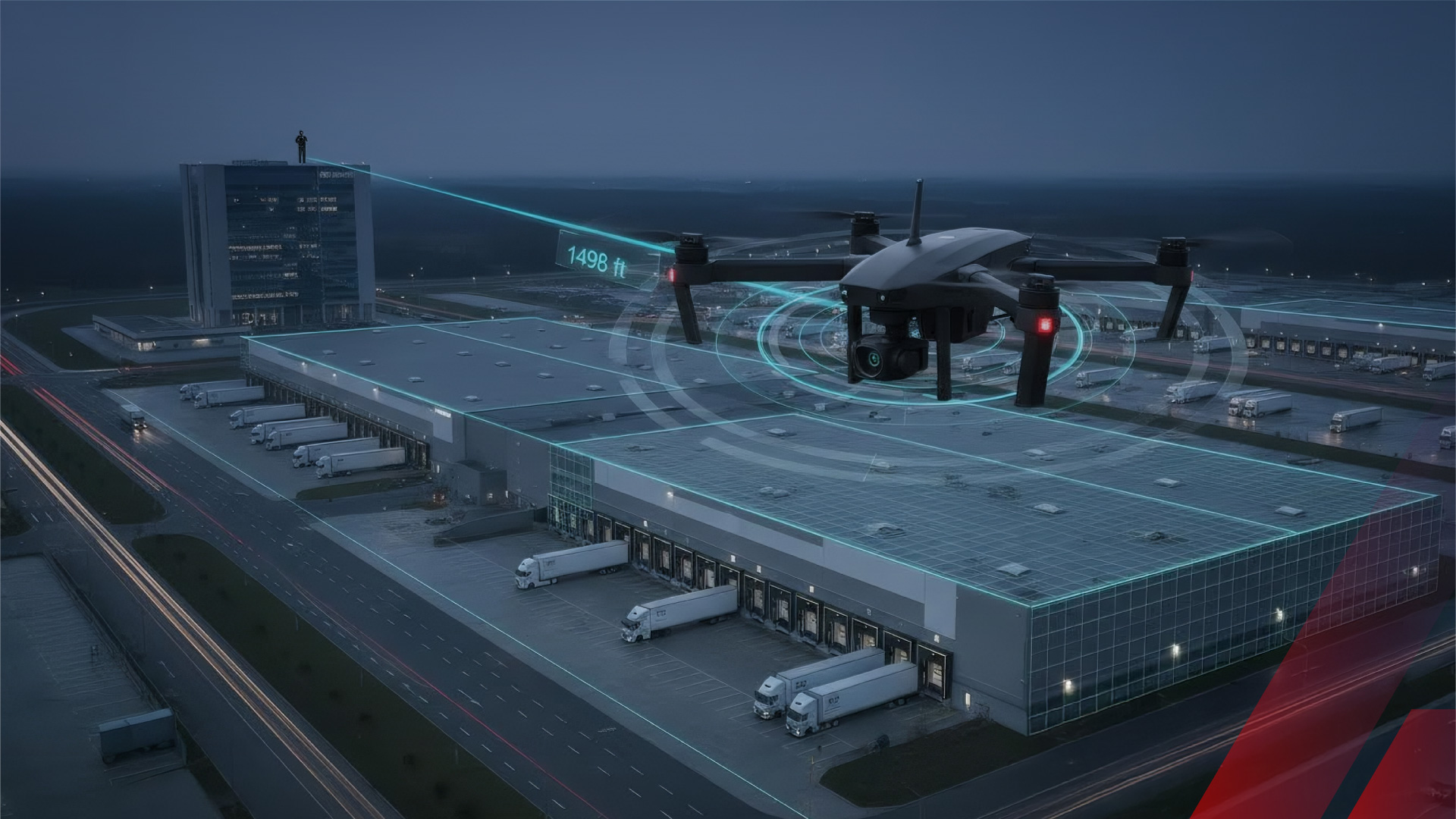
A "BVLOS violation" occurs when the distance between the pilot and the drone exceeds 1,500 feet. This specific metric serves as the technical "safety buffer" for standard low-altitude operations. When this threshold is crossed, the risk profile of the flight changes, requiring immediate forensic oversight.
How AirGuard Calculates the Gap
The AirGuard platform utilizes multi-sensor data fusion to calculate and record these violations in real-time. The system performs the following calculations to generate forensic-grade reporting:
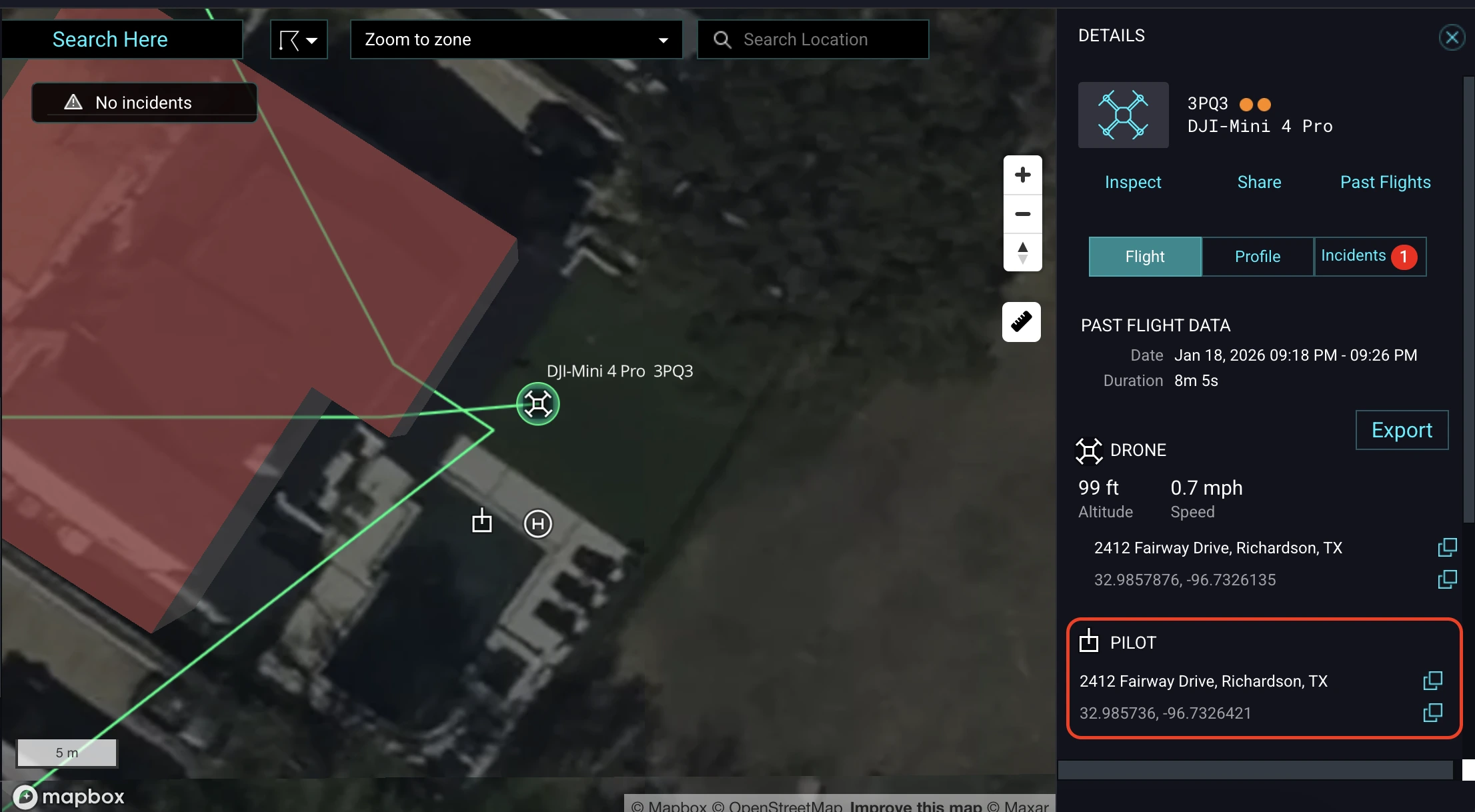
- Coordinate Correlation: AirGuard identifies the precise GPS coordinates of both the drone and the pilot simultaneously.
- Gap Analysis: The software continuously measures the linear distance between these two coordinates, updating the telemetry every second.
- Violation Logging: Every time the gap exceeds the 1,500ft limit, an "Altitude or BVLOS Violation" is flagged in the system.
- Insight Generation: These data points are aggregated into the Profile tab, providing a historical count of violations associated with a specific drone ID.
Forensic Reporting for Airspace Integrity
The ability to track the pilot-to-drone gap is critical for establishing a chain of custody and forensic evidence packages.
- Intent Assessment: By tracking how often a drone operates at the edge of or beyond its 1,500ft safety gap, security teams can better establish whether a flight is a routine commercial delivery or a non-compliant threat.
- Risk Modeling: AirGuard uses these metrics - alongside altitude and speed violations - to calculate the overall risk profile of an aircraft in your vicinity.
- Regulatory Evidence: The generated flight history and violation logs serve as digital evidence for internal audits or law enforcement investigations.
The Airsight Advantage
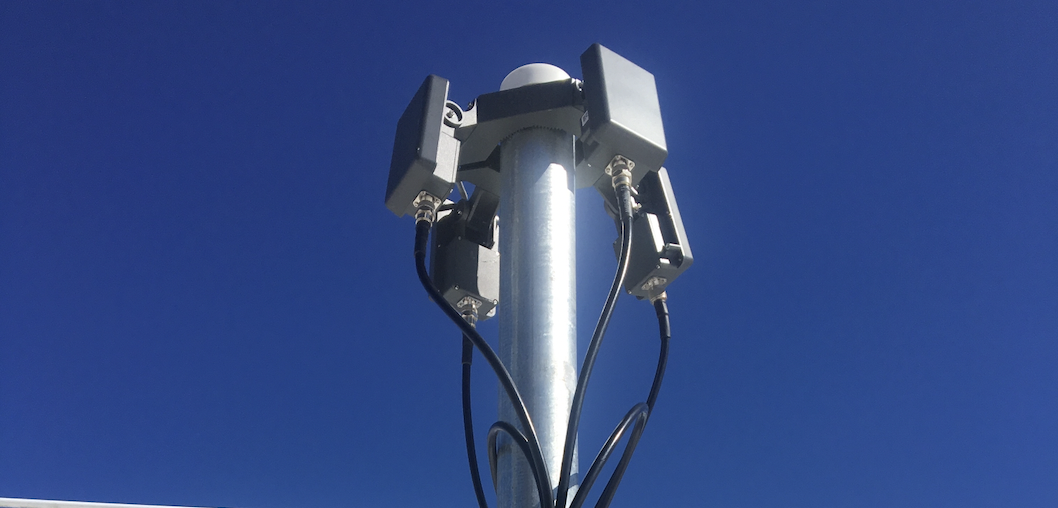
Airsight moves beyond simple detection by providing the analytical depth required for complex 2026 logistics surveillance. Through the AirGuard platform, we enable organizations to monitor not just where a drone is, but howit is being operated relative to its control station. By integrating high-resolution 24 GHz radar and Remote ID, we ensure that every1,500ft gap violation is recorded with forensic-grade accuracy.
Airspace Integrity as a DataValidation Protocol
The current security landscape requires a shift from passive observation to active data validation. In 2026, the proliferation of autonomous systems means that simple motion detection is no longer a reliable metric for safety. A defensive posture must move beyond reactive alerts.
Airspace resilience is now achieved through a multi-sensor fusion engine that correlates physical movement with RF identity in real-time. By isolating the specific acoustic-like fingerprints of rotors within dense urban environments, the AirGuard architecture transforms raw sensor data into forensic-grade intelligence. This approach ensures that critical infrastructure is protected by high-fidelity tracking and verified data, rather than just movement notifications.