As the January 23rd deadline for public comment approaches, the drone industry is navigating a pivotal regulatory shift. The FAA’s first national Programmatic Environmental Assessment (PEA) for drone package delivery represents a foundational effort to "normalize" low-altitude commercial operations. For security professionals, this is not just an environmental update; it is a roadmap for how urban "dark" airspace will be managed in 2026.
The PEA Framework: Moving from "Project-by-Project" to "Programmatic"
Historically, every drone delivery operator was required to satisfy National Environmental Policy Act (NEPA) obligations through individual, site-specific assessments. This created significant bottlenecks for the expansion of Part 135 commercial operations.
- The Tiering Logic: The FAA is now utilizing a "tiered" approach, where a broad, nationwide assessment (the PEA) covers the general impacts of drone delivery.
- The Advantage: If an operator’s specific hub and flight volume - limited to roughly 5-pound payloads - falls within the PEA's pre-analyzed parameters, they can significantly bypass lengthy individualized reviews.
- Regulatory Compliance: Under the FAA Reauthorization Act of 2024, this programmatic strategy is mandated to accelerate the integration of UAS into the National Airspace System (NAS).
The Technical Impact on "Dark" Airspace
In 2026, the primary challenge of counter-UAS operations is establishing intent in cluttered environments. The PEA introduces several technical complexities for distinguishing authorized delivery craft from non-cooperative "dark" drones.
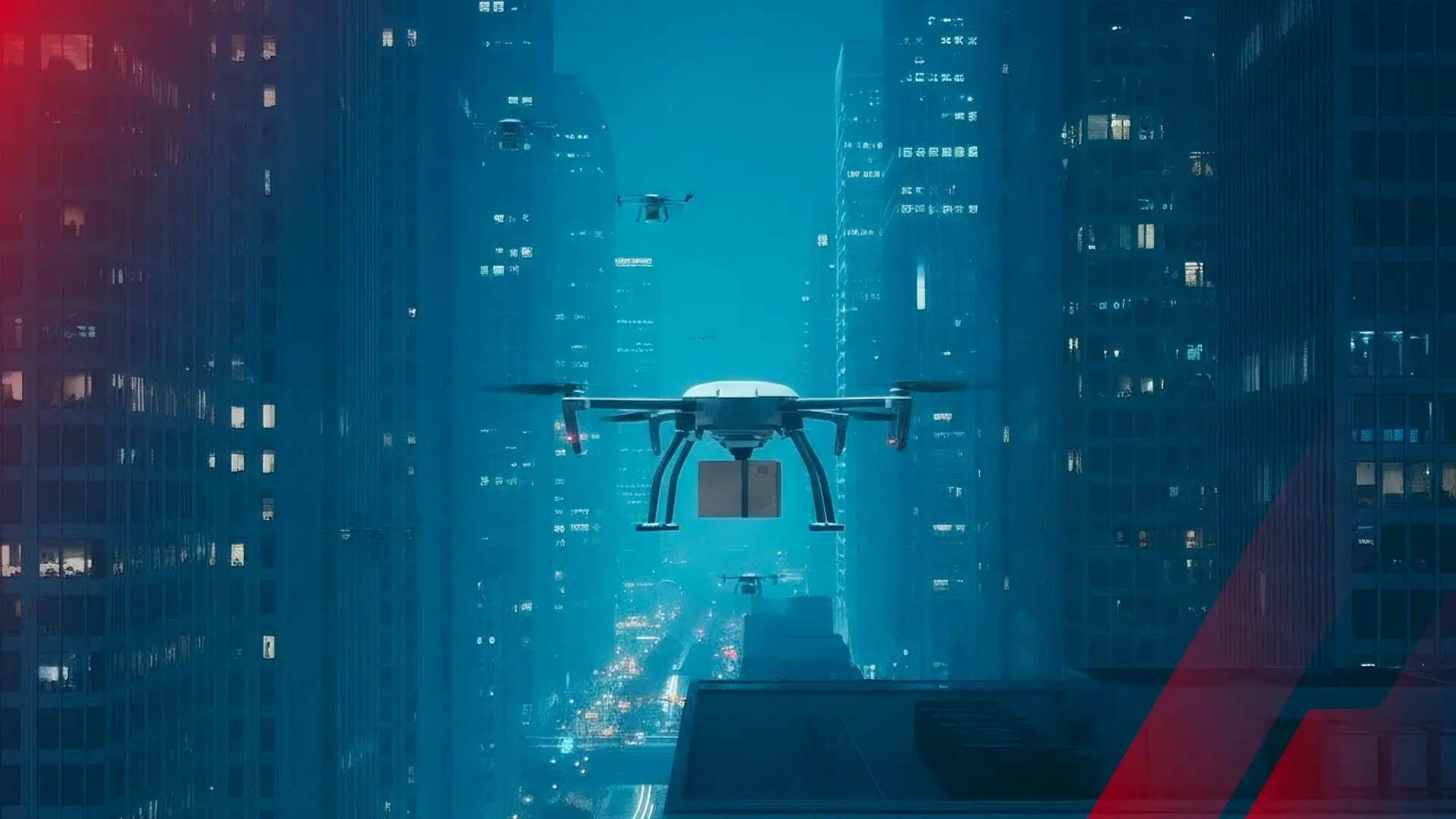
- Increased Background Signal Noise The PEA considers scenarios with up to 400 flights per day per delivery hub. This massive increase in low-altitude traffic creates a high-density environment that can mask the presence of non-compliant craft.
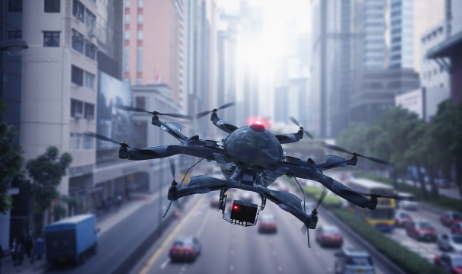
- The "Non-Conformity" Detection Gap While delivery drones will be compliant with Remote ID (2.4 GHz and 5.8 GHz) and FAA protocols, "dark" drones often bypass these digital license plates. The normalization of flight paths means security teams must move beyond simple motion detection toward high-fidelity classification.
- Range-Doppler Mapping Needs As commercial delivery paths become permanent urban fixtures, identifying "ghost" drones requires radar systems capable of isolating micro-motions within precise "range bins" to filter out authorized delivery traffic.
The Technical Verdict: Why This Matters for 2026
The PEA is the "green light" for the large-scale commercialization of the last-mile delivery market. However, for those securing critical infrastructure, it effectively lowers the "noise floor" for aerial incursions.
The success of the 2026 airspace depends on the fusion of high-frequency sensing, such as 24 GHz radar, and RF intelligence to ensure that a compliant "delivery" signature is not being spoofed. Lower carrier frequencies at 24 GHz provide a higher velocity unambiguity limit, which is vital for tracking high-speed FPV drones that might attempt to use commercial corridors as cover.
The Airsight Advantage
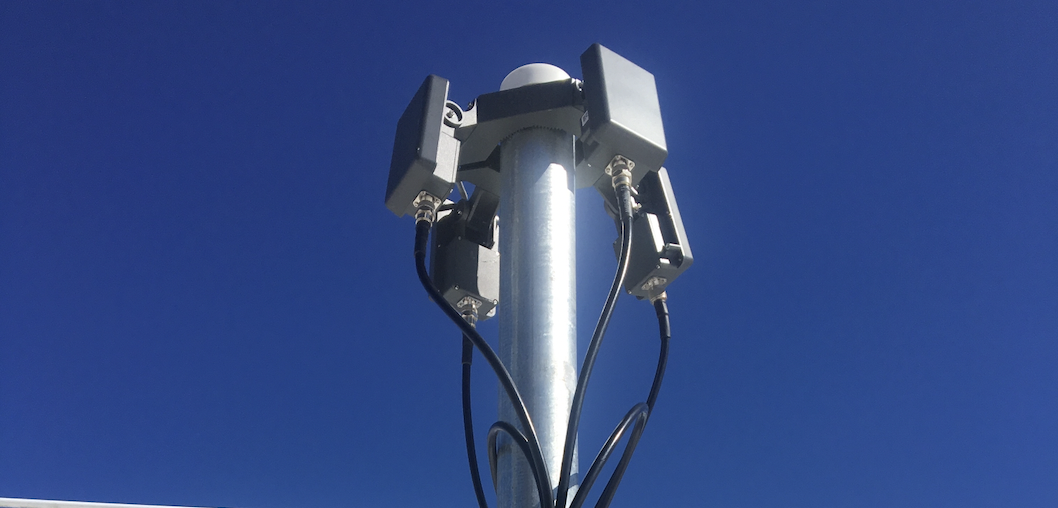
Airsight provides the necessary technical expertise to secure your critical infrastructure amid these regulatory shifts. While the FAA streamlines the paths for delivery drones, AirGuard integrates multiple sensing technologies - RF, radar, and Remote ID - to provide a multi-layered defense. We ensure that your security team is not just seeing "movement," but is receiving precise, classified intelligence on the intent of every aircraft in your vicinity.
Airspace Security as a Data Integrity Challenge
In 2026, the primary challenge of counter-UAS operations is no longer just detecting presence, but establishing intent and identity in cluttered environments. As the industry moves toward autonomous, non-cooperative threats, the reliance on simple velocity data is a tactical vulnerability.
Modern airspace resilience requires the fusion of high-frequency FMCW radar, RF intelligence, and AI-driven classification. By isolating micro-motions within precise range bins, security teams can transform raw sensor data into forensic-grade intelligence. Airsight provides the technical architecture necessary to navigate this transition, ensuring that critical infrastructure is protected by high-fidelity tracking rather than just motion alerts.